You have no items in your shopping cart.
Get 5% Extra Discount On Prepaid Orders for orders above Rs. 1000

Types of Shoe Soles: A Complete Guide to Different Footwear Soles
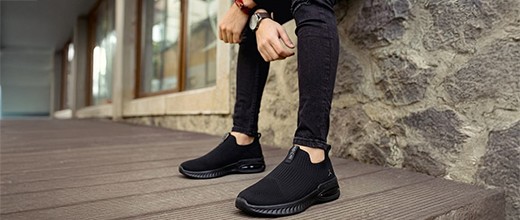
2025-04-25 12:57:24.png "Types of Shoe Soles: A Complete Guide to Different Footwear Soles")
What Is a Sole in a Shoe?
The sole of a shoe is the bottom part that comes in direct contact with the ground. It supports your foot, absorbs shock, and provides grip and balance while walking or running.
Different types of shoe soles are designed for different purposes — some focus on comfort, others on durability or style. Understanding these differences helps you choose the right footwear for your needs.
Different Types of Shoe Soles Explained
Leather Soles
Leather soles are known for their classic and premium appearance.
Key features:
- Smooth and elegant finish
- Flexible and breathable
- Adapts to your foot shape over time
Best for:
- Formal shoes
- Office wear
- Special occasions
Things to consider:
- Not ideal for wet or slippery surfaces
- Less grip compared to rubber soles
Rubber Soles
Rubber soles are one of the most widely used types of footwear soles.
Key features:
- Strong grip and slip resistance
- Water-resistant
- Durable and easy to maintain
Best for:
- Sneakers
- Boots
- Everyday footwear
EVA and PU Soles
These are commonly used in sports and comfort-focused shoes.
EVA (Ethylene Vinyl Acetate):
- Lightweight and soft
- Excellent cushioning
- Ideal for running and walking
PU (Polyurethane):
- Durable and supportive
- Better arch support
- Suitable for long hours of wear
Best for:
- Sports shoes
- Travel footwear
- Daily use
TPU, Crepe, and Dainite Soles
These are specialized types of soles used for performance and style.
TPU (Thermoplastic Polyurethane):
- Strong and flexible
- Resistant to wear and tear
- Used in performance footwear
Crepe Soles:
- Made from natural rubber
- Soft and comfortable
- Ideal for casual styles
Dainite Soles:
- Studded rubber design
- Combines grip with a formal look
How to Choose the Right Type of Sole in Shoes
|
Use Case |
Best Sole Type |
Why It Works |
|
Office/Formal |
Leather, PU |
Stylish and structured |
|
Daily Wear |
Rubber |
Durable and slip-resistant |
|
Sports/Gym |
EVA, TPU |
Lightweight and shock-absorbing |
|
Travel |
EVA, Rubber |
Comfortable and flexible |
|
Rainy Days |
Rubber, TPU |
Water-resistant and grippy |
|
Slippers |
EVA, Rubber |
Soft and lightweight |
Which Sole Material Is Best for Shoes?
The best sole material depends on how you plan to use your shoes:
- For comfort: EVA
- For durability: PU or rubber
- For grip: Rubber or TPU
- For formal use: Leather
- For slippers: EVA or soft rubber
Pros and Cons of Different Shoe Sole Types
|
Sole Type |
Pros |
Cons |
|
Leather |
Elegant, breathable |
Slippery in wet conditions |
|
Rubber |
Durable, anti-slip |
Slightly heavier |
|
EVA |
Lightweight, cushioned |
Less durable |
|
PU |
Strong, supportive |
Heavier than EVA |
|
TPU |
Flexible, long-lasting |
Can be more expensive |
Tips for Choosing the Best Sole for Shoes
- Choose EVA or PU if you stand for long hours
- Go for rubber soles for daily outdoor use
- Pick leather soles for formal occasions
- Use EVA or TPU soles for sports and workouts
- Opt for soft EVA or rubber for slippers
Conclusion
Understanding the different types of shoe soles helps you choose the right footwear based on comfort, durability, and purpose. Whether you need everyday comfort, sports performance, or formal elegance, selecting the right sole makes a significant difference in how your shoes feel and perform.
FAQs About Shoe Soles
1) What are soles of shoes?
Soles are the bottom part of a shoe that provide support, grip, and comfort.
2) What is the outsole of a shoe?
The outsole is the outermost layer of the sole that touches the ground and provides traction.
3) Which sole is good for feet?
EVA and PU soles are good for feet as they offer cushioning and support for long hours.
4) What are the types of soles in sports shoes?
Sports shoes commonly use EVA, PU, or TPU soles for flexibility, cushioning, and durability.
5) Which sole material is best for slippers?
EVA and rubber soles are best for slippers because they are lightweight and comfortable.
6) Can leather soles be used daily?
Leather soles are best for formal use and are not ideal for daily wear or wet conditions.
7) What is the best sole for shoes overall?
The best sole depends on usage — rubber for durability, EVA for comfort, and leather for style.
Popular Posts
.png "Types of Shoe Soles: A Complete Guide to Different Footwear Soles")
Recent Posts

Nine Nights, Nine Looks: The Ultimate Navratri Footwear Edit
September 2, 2026
Karwa Chauth Style Guide: Elegant Heels, Flats and Bags for Every Outfit
September 2, 2026
Two-Tone Shoes Are Back: How to Wear the Global Runway Trend in India
September 2, 2026

.webp)

.webp)