You have no items in your shopping cart.
Get 5% Extra Discount On Prepaid Orders for orders above Rs. 1000

Moccasins vs Loafers: What Is the Difference
2026-01-09 20:10:59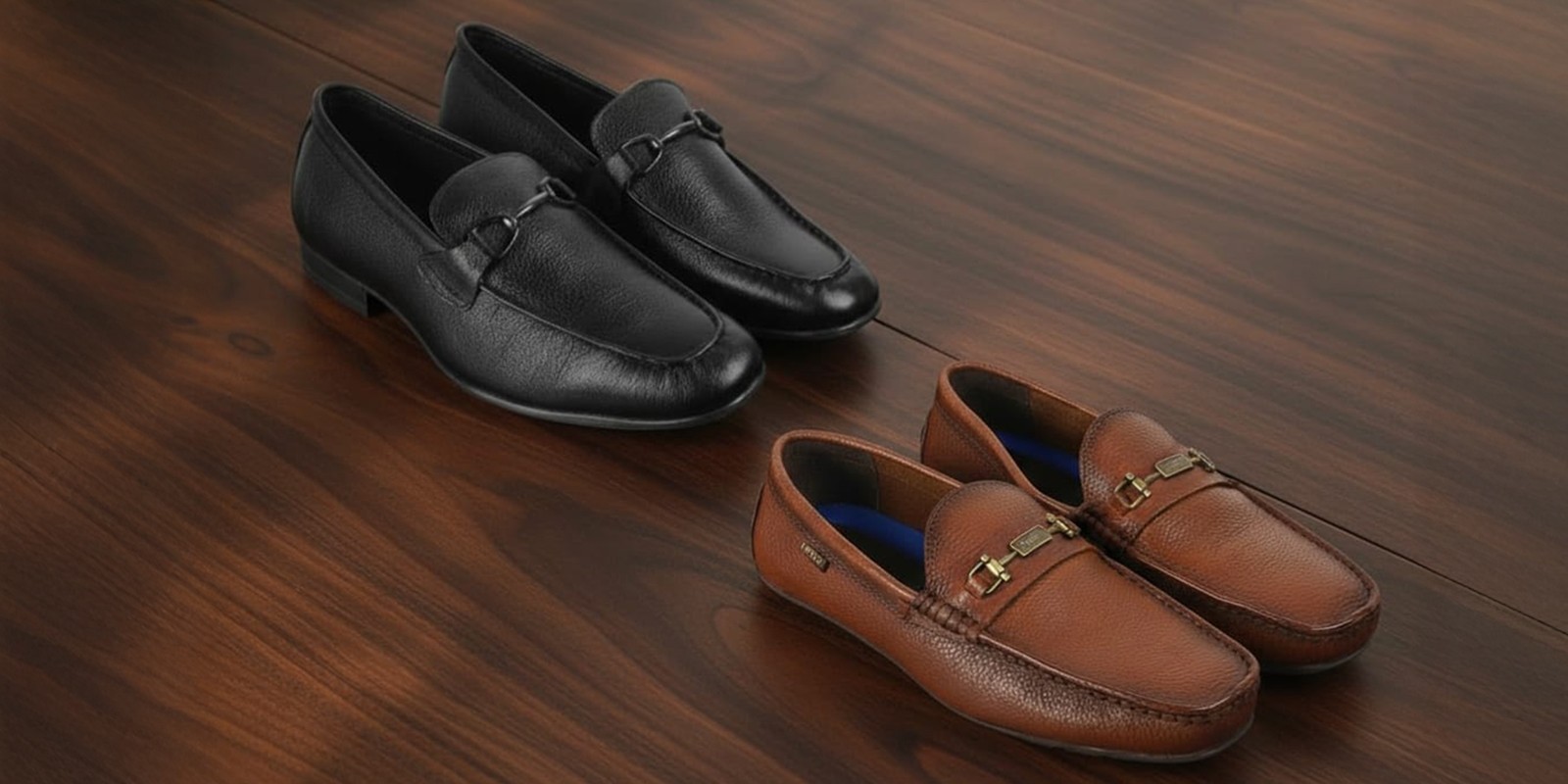
Slip-on shoes are a wardrobe essential, especially for men who want comfort without compromising on style. Two popular choices often compared are moccasins vs loafers. While they may look similar at first glance, there are clear differences in design, comfort, and usage.
So, are moccasins and loafers the same? Not exactly. This guide breaks down the difference between moccasins and loafers, helping you decide which one suits your lifestyle better—whether you’re looking for relaxed everyday wear or something more polished.
Understanding the Basic Difference Between Moccasins and Loafers
To understand the difference between loafers and moccasins, it helps to look at how they are made and where they come from.
How Moccasins and Loafers Are Made
Construction style of moccasin shoes
Moccasins are traditionally made using a single piece of leather wrapped around the foot.
- Soft, flexible sole
- Hand-stitched upper
- Minimal structure
This construction gives moccasins for men their signature comfort and laid-back feel.
Construction style of loafer shoes
Loafers, on the other hand, have a more structured build.
- Separate sole and upper
- Firmer base for better support
- Clean, polished finish
This is what makes men’s loafers suitable for semi-formal and office wear.
How Their Origins Influence Style and Use
Moccasins originated as traditional footwear designed for comfort and movement, while loafers evolved as a refined slip-on shoe meant for smarter dressing. Their origins directly influence how and where they’re worn today.
Difference Between Moccasins and Loafers in Design and Look
Design Features That Make Moccasins Different
Soft sole and flexible structure
One of the biggest differences in moccasin shoes vs loafer styles is flexibility. Moccasins mould to your feet, making them ideal for relaxed wear.
Hand-stitched upper design
Visible stitching on the upper gives moccasins a casual, handcrafted look that feels effortless and easygoing.
Design Features That Make Loafers Different
Structured sole and formal finish
Loafers feature a firmer sole and defined shape, giving them a more refined appearance compared to moccasins.
Popular loafer styles like penny and tassel
Classic styles like penny loafers and tassel loafers add detail and sophistication, making loafers more versatile for dressier outfits.
Moccasins vs Loafers for Comfort and Daily Wear
Comfort plays a huge role when choosing between loafers vs moccasins.
Which Is More Comfortable for Long Hours
When it comes to all-day wear, moccasins usually feel softer due to their flexible construction. Loafers provide better structure but may feel firmer during extended use.
So, which is more comfortable—moccasins or loafers?
For relaxed, long hours: moccasins
For structured support: loafers
Which Works Better for Daily Use
Both work well for daily wear, but usage matters:
- Moccasins are ideal for casual, everyday routines
- Loafers suit workdays and semi-formal settings
Fit and Support Difference Between Moccasins and Loafers
Moccasins offer a glove-like fit with minimal arch support. Loafers provide better sole structure and foot support, making them a better option when you’re on your feet for longer periods.
When to Wear Moccasins and When to Wear Loafers
Best Occasions for Wearing Moccasins
Moccasins are perfect for:
- Casual outings
- Weekend wear
- Travel and relaxed days
They pair well with jeans, chinos, and casual trousers.
Best Occasions for Wearing Loafers
Loafers work best for:
- Office wear
- Smart-casual events
- Semi-formal occasions
This answers a common question: are loafers more formal than moccasins? Yes, they generally are.
Moccasins Versus Loafers for Casual Outfits
For casual outfits, moccasins feel more natural and relaxed. Loafers can still work casually but lean towards a smarter finish.
Choosing Between Moccasins and Loafers
Which Is Better for Office Wear
Loafers are a better choice for office wear thanks to their structured design and polished look. They easily complement shirts, trousers, and blazers.
Which Is Better for Casual and Weekend Wear
For weekends and casual days, moccasins are the winner. Their soft build and easy feel make them ideal shoes for men who prioritise comfort.
Moccasins vs Loafers Based on Personal Style
- Prefer relaxed, laid-back looks? Choose moccasins
- Prefer clean, refined outfits? Choose loafers
Your personal style plays a big role in deciding moccasins vs loafers which is better for you.
Final Takeaway
The debate of moccasins vs loafers comes down to comfort versus structure. Moccasins offer flexibility and laid-back style, while loafers bring polish and versatility to your wardrobe.
For everyday ease and casual dressing, moccasins are a great choice. For work, events, and smarter outfits, loafers are the way to go. Knowing the difference between moccasins and loafers ensures you always step out in the right pair.
FAQ’s – Moccasins vs Loafers
1) What is the difference between loafers and moccasins
Moccasins are softer and more flexible, while loafers are structured and more formal.
2) Are moccasins and loafers the same
No, they differ in construction, comfort, and styling.
3) Which is more comfortable moccasins or loafers
Moccasins are generally more comfortable for relaxed, long wear.
4) Are loafers more formal than moccasins
Yes, loafers are considered more formal and suitable for office wear.
5) Can loafers be worn for daily use
Yes, loafers can be worn daily, especially in professional settings.
6) Are moccasins formal or casual shoes
Moccasins are typically casual shoes.
7) Which is better for office wear, loafers or moccasins
Loafers are better suited for office and smart-casual wear.
8) Can moccasins be worn without socks
Yes, moccasins are often worn sockless for a relaxed look.
9) Moccasins vs loafers which is better for casual outfits
Moccasins work better for casual outfits due to their relaxed design.
Popular Posts
.png "Types of Shoe Soles: A Complete Guide to Different Footwear Soles")
Recent Posts

Nine Nights, Nine Looks: The Ultimate Navratri Footwear Edit
September 2, 2026
Karwa Chauth Style Guide: Elegant Heels, Flats and Bags for Every Outfit
September 2, 2026
Two-Tone Shoes Are Back: How to Wear the Global Runway Trend in India
September 2, 2026

.webp)



.webp)