You have no items in your shopping cart.
Get 5% Extra Discount On Prepaid Orders for orders above Rs. 1000

Types of Shoe Leather: A Complete Guide to Choosing the Right Leather
2025-04-25 12:57:21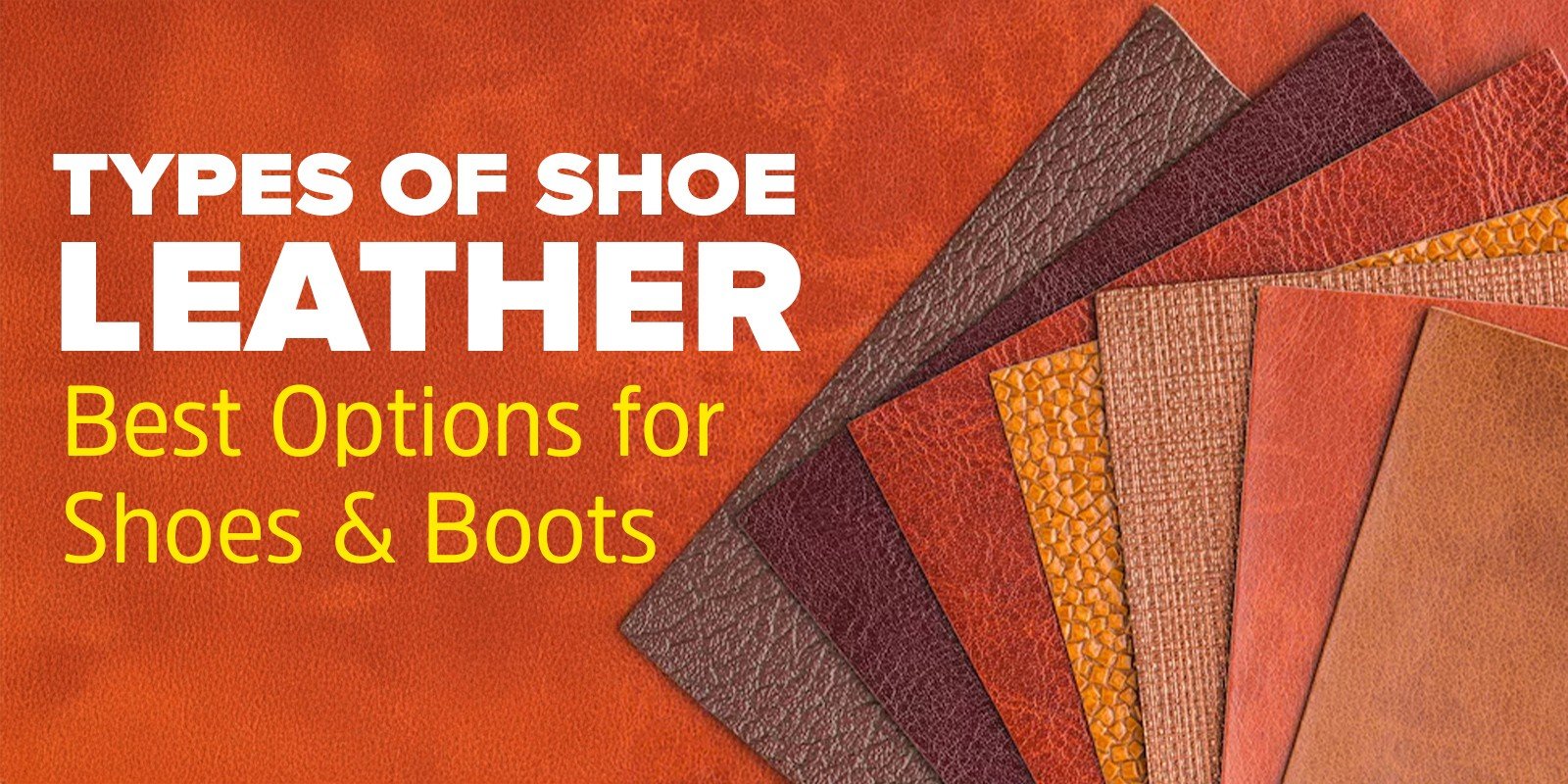
Leather shoes never go out of style. They’re durable, timeless, and often look better as they age. But here’s what most buyers don’t realize:
Not all leather is the same.
The types of shoe leather you choose directly affect comfort, durability, appearance, and how long your shoes will last. Whether you’re buying formal shoes, casual footwear, or boots, understanding leather types helps you make a smarter purchase.
In this guide, we’ll break down:
- Different kinds of leather shoes
- Types of leather used for shoes
- Which leather is best for shoes and boots
- What leather works best for men’s and women’s footwear
What Is Upper Leather in Shoes?
Before exploring varieties, it helps to understand one common term.
Upper leather in shoes refers to the outer part of the shoe that covers your foot — excluding the sole and lining.
This is the leather you see and touch, and it determines:
- Breathability
- Durability
- Visual finish
- Overall shoe quality
The better the upper leather, the longer your shoes last.
What Are the 3 Types of Leather in Shoes?
When people ask “what are the 3 types of leather in shoes?”, they usually mean the main quality categories:
- Full-grain leather
- Top-grain leather
- Corrected or split leather (including suede)
These categories form the foundation for most leather footwear.
Full-Grain vs Top-Grain Leather: Key Differences
These are considered the highest-quality types of leather used for shoes.
Full-Grain Leather
The most premium leather available.
Features
- Made from the top layer of hide
- Natural grain remains intact
- Extremely durable
- Develops a rich patina over time
Best for
- Men’s dress shoes
- Formal footwear
- Premium leather boots
Style feel: Classic, luxurious, long-lasting
Often considered the best type of leather for shoes meant to last years.
Top-Grain Leather
Slightly processed for a smoother look.
Features
- Surface lightly sanded
- More uniform appearance
- Softer and more flexible than full-grain
Best for
- Office shoes
- Loafers
- Everyday leather footwear
Style feel: Clean, polished, modern
Suede, Nubuck & Roughout: Textured Leather Types
Textured leather offers a softer, more casual aesthetic and is common in modern footwear.
Suede
- Made from the underside of the hide
- Soft, velvety texture
- Lightweight and breathable
Best for
- Casual shoes
- Loafers
- Weekend footwear
Not ideal for rain or rough use.
Nubuck
- Made from the outer hide (like full-grain)
- Lightly buffed for a matte finish
- Stronger than suede
Best for
- Daily wear shoes
- Smart-casual boots
A great balance of elegance and durability.
Roughout Leather
- Inside-out full-grain leather
- Extremely tough and rugged
- Naturally resistant to scuffs
Best for
- Work boots
- Outdoor footwear
If you’re wondering which leather is best for boots, roughout and full-grain are top choices.
Exotic & Embossed Leathers: Premium Variations
These leathers focus more on visual impact.
Croc-Embossed Leather
- Regular leather with crocodile texture
- Durable and bold-looking
Best for
- Statement shoes
- Party wear
- Dress boots
Snakeskin & Lizard Leather
- Lightweight
- Distinct patterns
Best for
- Occasion footwear
- Fashion-forward designs
Ostrich Leather
- Recognizable dotted texture
- Extremely soft and breathable
Best for
- Luxury shoes
- Limited-edition styles
Best Type of Leather for Shoes (Quick Guide)
|
Use Case |
Best Leather |
|
Men’s dress shoes |
Full-grain or top-grain |
|
Office wear |
Top-grain leather |
|
Casual shoes |
Suede or nubuck |
|
Boots |
Full-grain or roughout |
|
Women’s boots |
Nubuck or full-grain |
|
Statement footwear |
Croc-embossed |
This table answers common queries like:
- Which leather is best for shoes?
- Which type of leather is best for shoes?
What Leather Is Best for Men’s Dress Shoes?
For formal wear, experts recommend:
- Full-grain leather for premium longevity
- Top-grain leather for daily office comfort
These leathers maintain structure, polish well, and age gracefully — ideal for classic men’s formal shoes.
What Kind of Leather Is Best for Women’s Boots?
For women’s boots, the best options are:
- Full-grain leather → structured boots
- Nubuck leather → stylish everyday boots
- Suede → fashion-forward seasonal boots
Choose based on climate and frequency of wear.
Pros and Cons of Common Shoe Leathers
|
Leather Type |
Pros |
Cons |
|
Full-grain |
Very durable, ages beautifully |
Expensive |
|
Top-grain |
Smooth, flexible |
Slightly less durable |
|
Suede |
Soft, stylish |
Stains easily |
|
Nubuck |
Elegant matte finish |
Needs care |
|
Roughout |
Extremely tough |
Rugged appearance |
How to Care for Different Kinds of Leather Shoes
Full-Grain & Top-Grain
- Clean with damp cloth
- Condition monthly
- Use shoe trees
Suede & Nubuck
- Brush regularly
- Avoid water exposure
- Use protective spray
Exotic Leathers
- Wipe with microfiber cloth
- Avoid alcohol-based cleaners
- Store away from heat
Expert tip: Never store leather shoes immediately after wearing. Let them air out to prevent cracking and odor.
Conclusion
Understanding the types of shoe leather transforms how you buy footwear. From formal shoes to rugged boots, the right leather impacts comfort, durability, and long-term value.
When you know your leather:
- You choose better
- Your shoes last longer
- Your style looks sharper
Because great shoes don’t just start with design —
they start with the right leather.
Frequently Asked Questions
1. What are the types of shoe leather?
Common types include full-grain, top-grain, suede, nubuck, roughout, and embossed leather.
2. Which leather is best for shoes?
Full-grain leather is considered the best for durability and longevity.
3. What are the 3 types of leather in shoes?
Full-grain, top-grain, and split/corrected leather.
4. Which leather is best for boots?
Full-grain and roughout leather are best for boots.
5. What leather is best for men’s dress shoes?
Full-grain or top-grain leather offers the best structure and polish.
6. What kind of leather is best for women’s boots?
Nubuck and full-grain leather are ideal depending on style and usage.
7. What is upper leather in shoes?
Upper leather is the outer material covering the foot, determining durability and appearance.
Popular Posts
.png "Types of Shoe Soles: A Complete Guide to Different Footwear Soles")
Recent Posts

Nine Nights, Nine Looks: The Ultimate Navratri Footwear Edit
September 2, 2026
Karwa Chauth Style Guide: Elegant Heels, Flats and Bags for Every Outfit
September 2, 2026
Two-Tone Shoes Are Back: How to Wear the Global Runway Trend in India
September 2, 2026

.webp)



.webp)